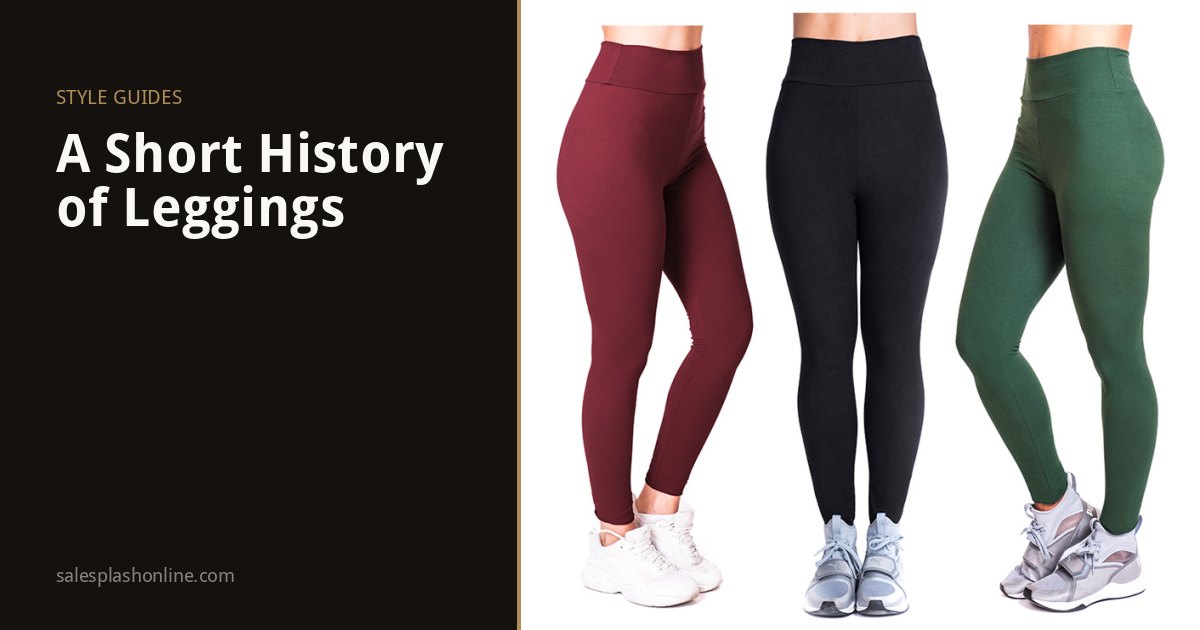
Leggings are treated as a modern invention, usually dated to the aerobics boom or to the rise of athleisure. They are in fact one of the oldest garment shapes there is, and for most of their history they were menswear. The story is worth knowing, partly because it is genuinely interesting and partly because it explains why the garment keeps attracting arguments about propriety.
They begin with horses
Fitted leg coverings appear wherever people ride. Some of the oldest surviving trousers known to archaeology were found in western China and are roughly three thousand years old; they were made with a shaped crotch and narrow legs, which is a design that only makes sense on horseback. Draped clothing does not work astride an animal, and neither does anything loose enough to catch.
The nomadic peoples of the Central Asian steppe — the Scythians among them — wore fitted trousers for the same reason, and settled Mediterranean societies regarded the garment as foreign and slightly barbarous precisely because they associated it with riders from elsewhere. The earliest recorded objections to close-fitting legwear were about class and geography rather than modesty.
Medieval Europe: a men’s garment
By the medieval period, European men wore chausses or hose — fitted fabric leg coverings, usually cut on the bias from woven cloth so that they would follow the leg, and attached at the waist. They were separate for each leg for much of this period and joined later, which is where the word “pair” of trousers ultimately comes from.
Through the Renaissance, hose became a display garment for men. Cut, colour and fit were a statement of status, and the leg was the part of the male body it was fashionable to show. The idea that fitted legwear is inherently feminine is very recent and geographically narrow.
The long retreat
From roughly the seventeenth century, breeches and then trousers replaced hose in European menswear, and close-fitting legwear was pushed toward specialist uses: military uniform, riding, and above all the stage. Ballet and theatrical costume kept fitted tights alive for two hundred years, which is why the garment carried theatrical associations well into the twentieth century.
Knitted underwear in the nineteenth century added the other ancestor: long johns and union suits, worn under clothing for warmth, made possible by industrial knitting machinery. Practically every modern legging is descended from those two lines — the theatrical tight and the knitted underlayer.
1958, and the fibre that changed everything
The single most important date in this history is not a fashion moment. In 1958 DuPont commercialised a synthetic elastomeric fibre under the name Lycra, known generically as spandex or elastane. Before it, stretch in a garment came from the knit structure alone, and it recovered poorly — which is why old knitted tights bagged at the knee and stayed bagged.
Elastane changed the material possibilities completely. A small percentage blended into a knit gives high stretch and, critically, high recovery: the fabric returns to shape rather than growing through the day. Every property we now take for granted in a legging depends on it.
The 1960s to 1980s: outerwear again
Through the 1960s, stretch legwear moved into fashion proper, helped by bright synthetic dyes and a general enthusiasm for graphic, body-skimming shapes. Dance and disco carried it through the 1970s, and it remained closely tied to movement.
Then came the aerobics boom. Jane Fonda’s Workout arrived in 1982 and became one of the best-selling home video releases of its era, and with it a look: bright leggings, layered leotards, legwarmers. This is the moment leggings became ordinary outerwear for women rather than dance or exercise costume, and it is the point most people’s mental history of the garment begins.
The 1990s backlash
Fashion moved against the 1980s comprehensively. Through the 1990s, leggings retreated to being an underlayer — worn beneath skirts, dresses and oversized shirts rather than as the visible garment. They never disappeared, but they stopped being the point of an outfit.
Yoga, and the invention of athleisure
The current era begins with yoga. As yoga moved into mainstream Western fitness through the 1990s, it created demand for legwear that was flexible enough for deep movement and presentable enough to wear to and from a class. Lululemon, founded in 1998, is the company most associated with recognising that the second half of that sentence was a business.
What followed was athleisure: technical activewear worn as everyday clothing. The garment did not change much; the context did. And with it came the recurring public argument about whether leggings count as trousers — a debate that, as the medieval section suggests, is mostly a rerun of much older anxieties about fitted legwear and who is allowed to wear it.
What actually changed recently
The interesting developments of the last fifteen years are technical rather than stylistic.
- Circular seamless knitting. Machines that knit a garment as a tube, varying stitch density as they go, so support and ventilation can be built into one continuous fabric with no side seams.
- Higher elastane content and better recovery. The difference between a legging that holds its shape for a year and one that goes at the knee in a month is mostly here.
- Fabric weight as a specification. Weight in grams per square metre became something buyers actually read, which is why winter and summer weights are now distinguishable before purchase.
- Brushed and bonded linings that make a legging a genuine cold-weather garment rather than a layer under something else.
Three thousand years on, the design brief has not really changed: cover the leg, allow it to move, stay put. Everything since has been an argument about materials.
If you want the material side in more depth, the fabric guide covers how the fibres compare, and what seamless actually means explains the knitting. Or browse the current range.
Shop this guide: yoga pants · high-waisted leggings · compression leggings