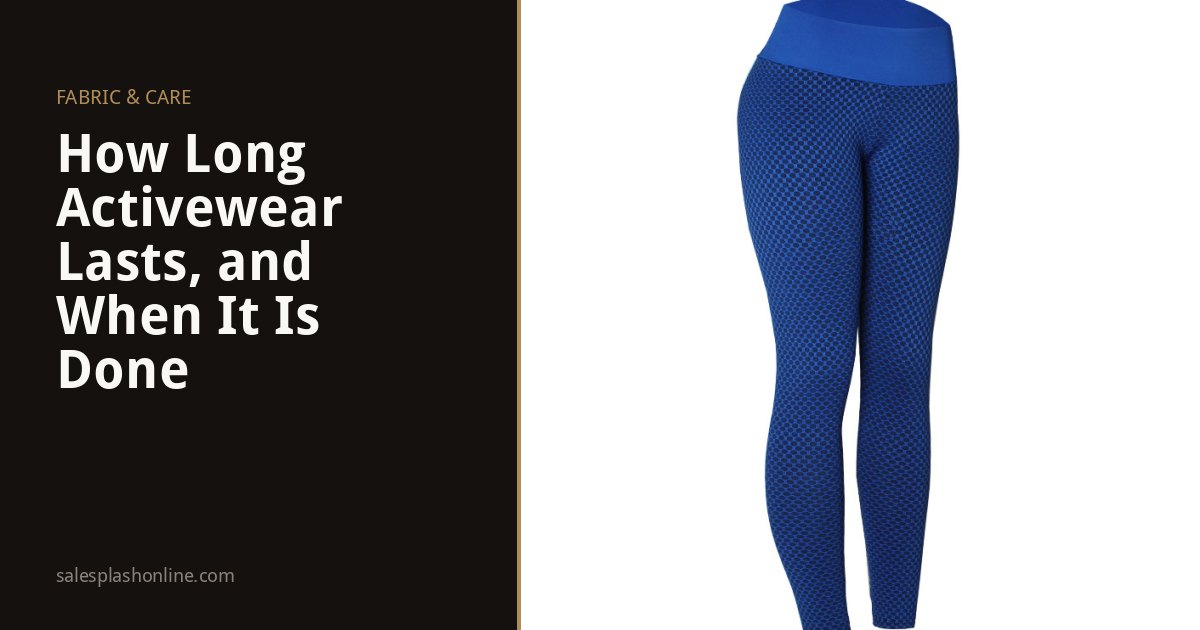
How Long Activewear Lasts, and How to Tell When It Is Done
It is the elastane that dies, not the nylon. Realistic lifespans, the six signs a pair is finished, and the habits that genuinely double it.
It is the elastane that dies, not the nylon. Realistic lifespans, the six signs a pair is finished, and the habits that genuinely double it.
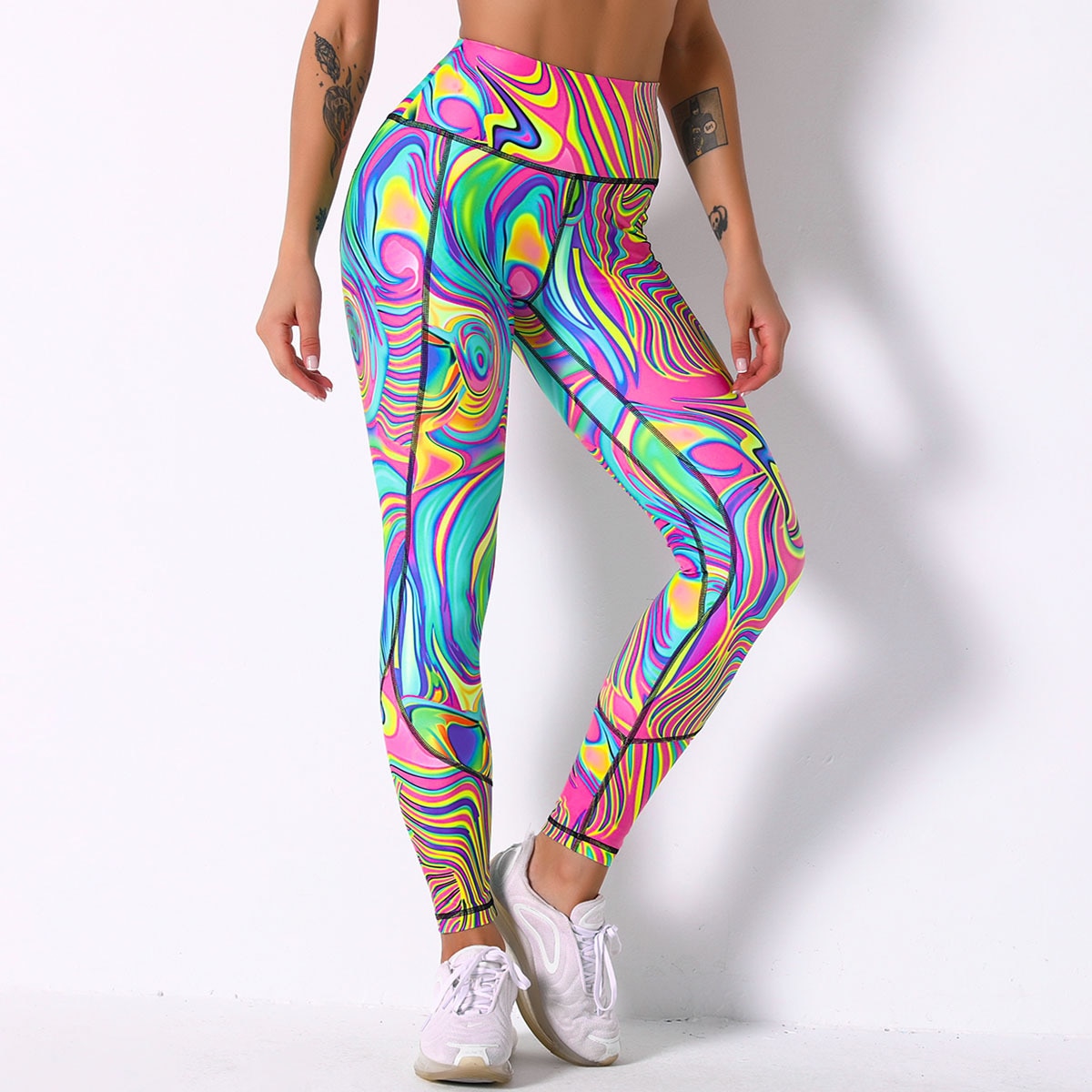
Flame prints, tie-dye, camouflage, leopard, watercolour swirls — printed leggings are usually bought on the pattern alone, and the way the pattern got there is rarely mentioned. It is worth knowing, because it decides how the leggings look once they are stretched over a body, how they wash, and how long the colour lasts. There
Read More
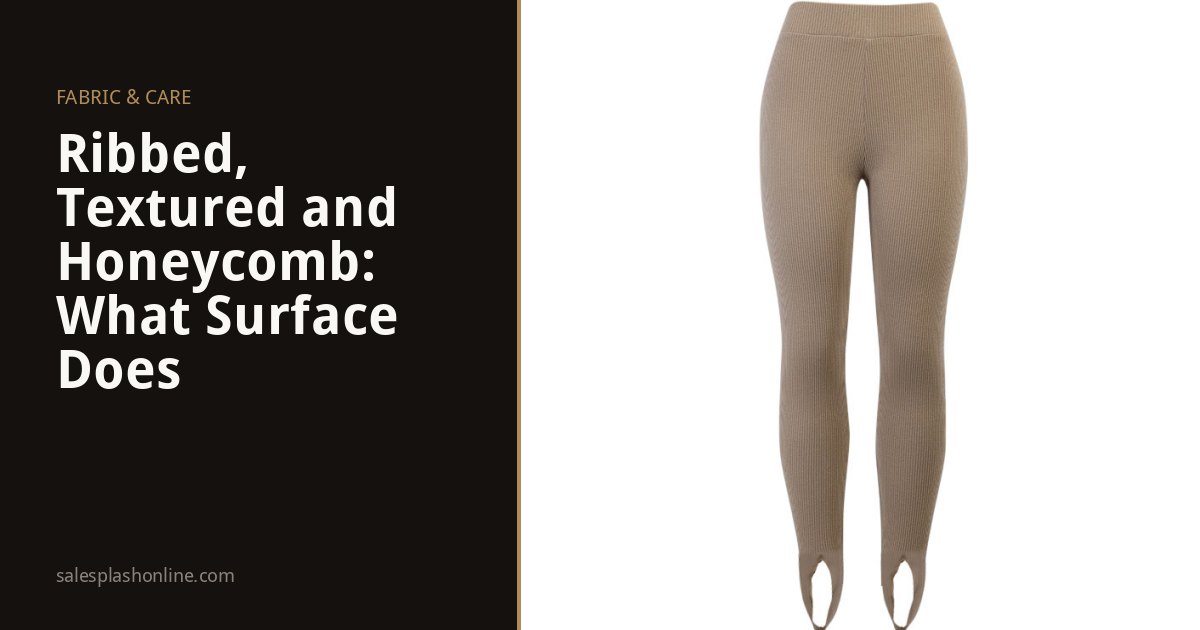
Knitted texture is structural, not decorative. How ribbed, honeycomb and jacquard knits change opacity, recovery and airflow, and what they cost.
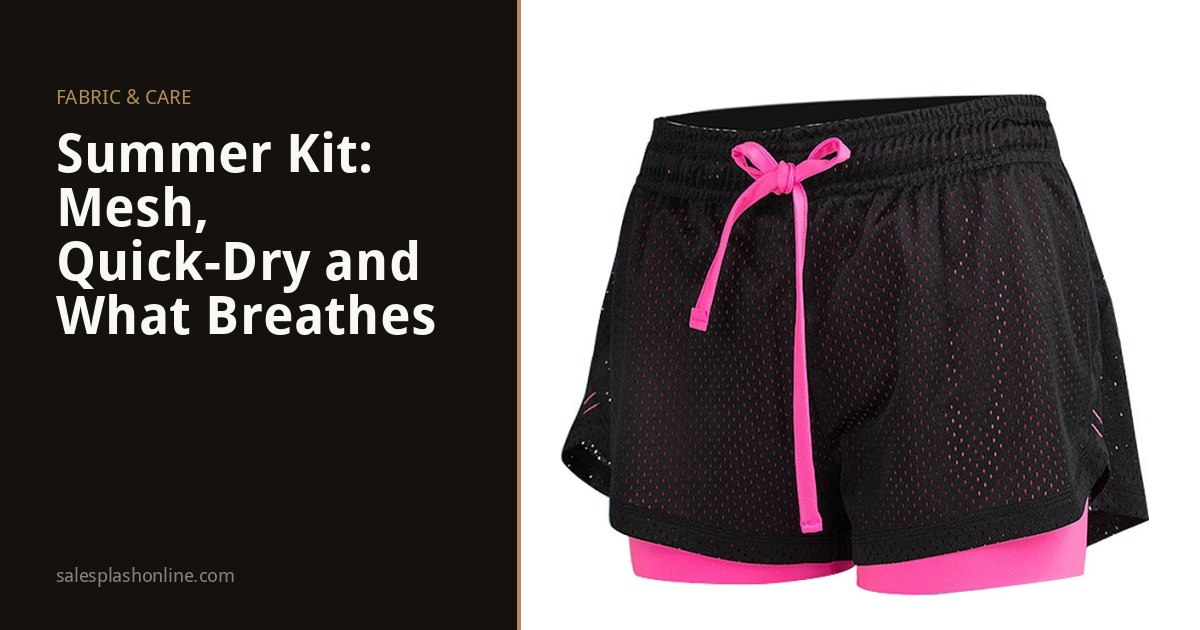
Airflow and moisture management are different things. Where mesh is functional, why cotton fails in heat, and what to wear for summer training.
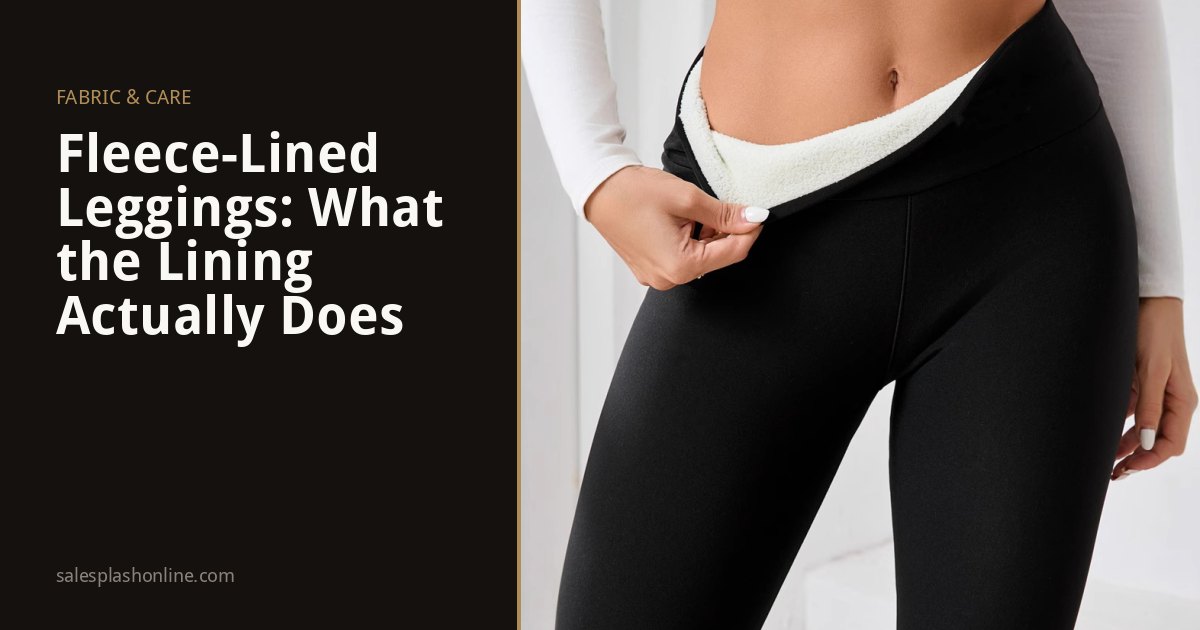
What fleece lining actually is, the weight grades that matter, why it changes your size, and how to wash it without matting the pile.
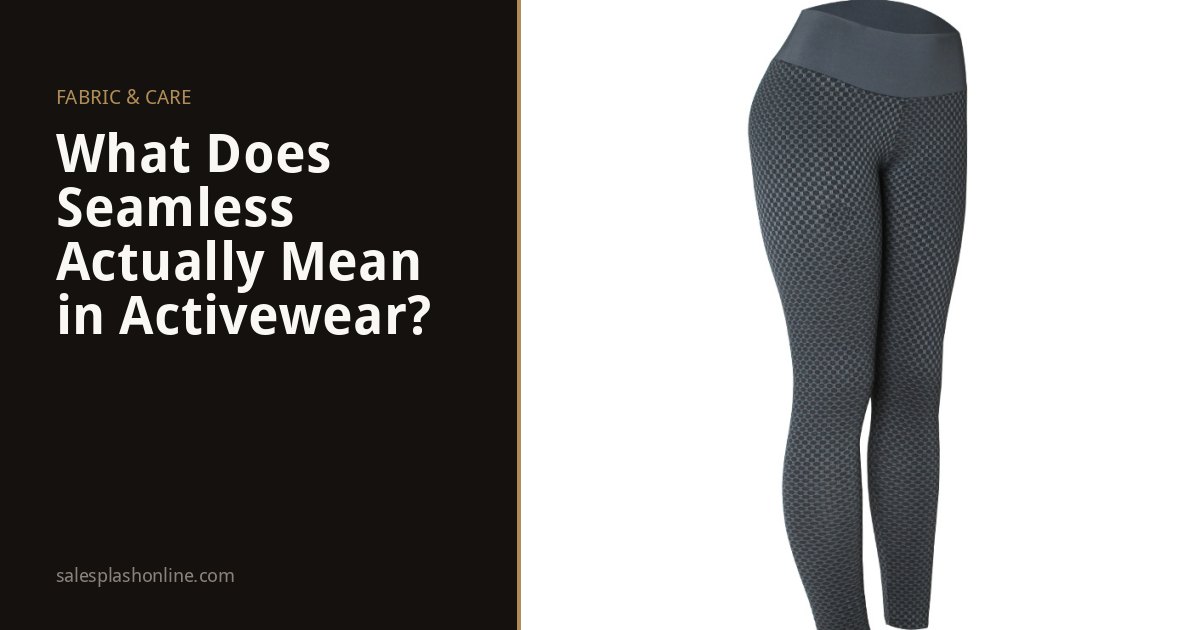
“Seamless” is stamped on half the activewear sold today, and it is not marketing fluff — it describes a genuinely different way of making a garment. Here is what changes, why it matters, where it falls short and how to choose a good pair. How seamless is made Instead of cutting panels from flat fabric
Read More
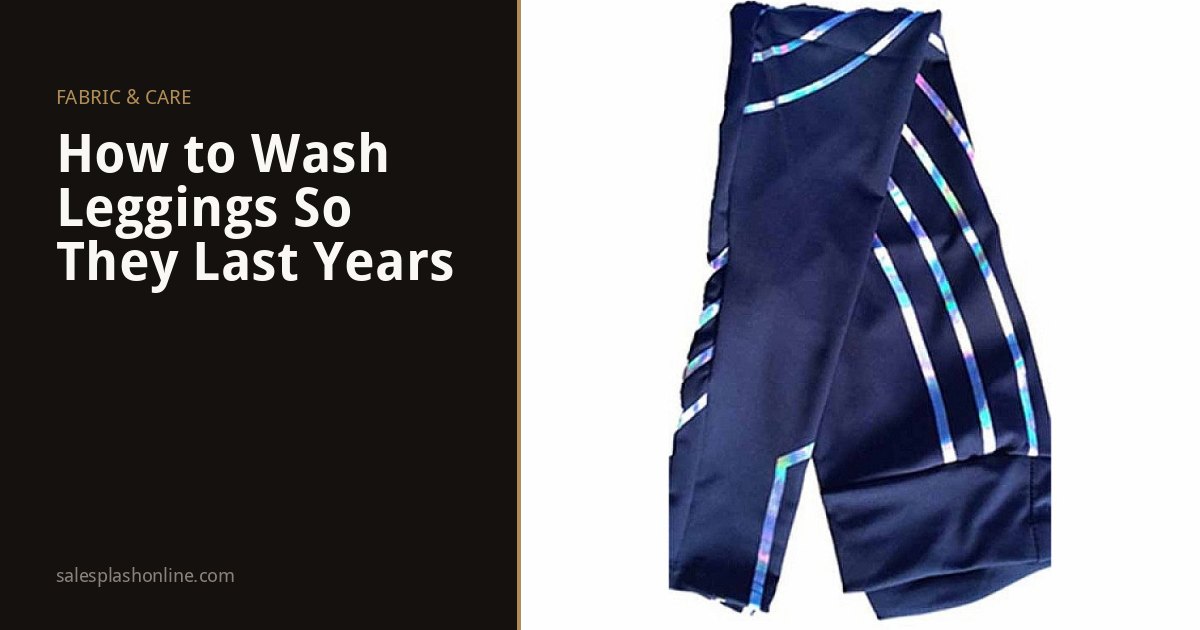
To wash leggings so they last, turn them inside-out and machine wash them cold (86°F / 30°C or below) with a small dose of liquid detergent and no fabric softener. Hang or lay them flat to dry, out of direct sun, and never tumble dry them. Heat is what destroys the elastane that gives leggings
Read More
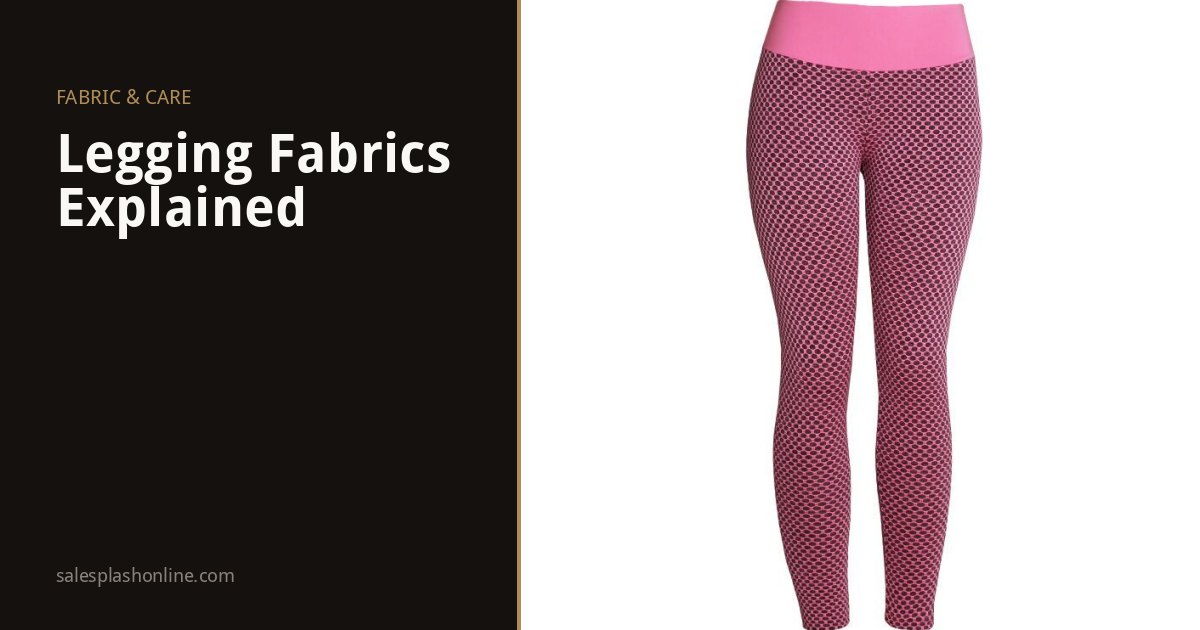
The fabric listed on a pair of leggings tells you more about how they will feel and perform than the price does. Here is what each one actually does, in plain terms. Nylon and elastane The premium choice for training wear. Nylon is soft against the skin with a slightly cool, smooth handle, and it
Read More
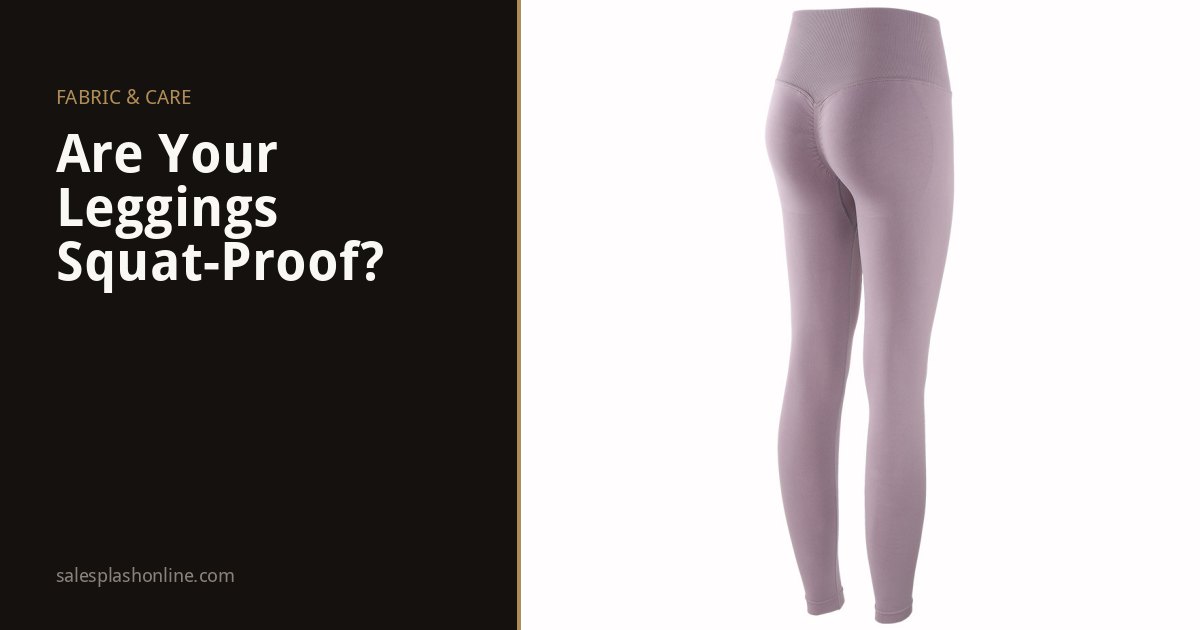
To test if leggings are squat-proof, put them on and stand with your back to a mirror in bright daylight. Then do a deep squat and bend forward from the hips. If you can see skin, underwear or a lighter patch where the fabric stretches, they are not squat-proof. A squat-proof pair shows no colour
Read More